Penalties and Consequences of Ignoring HSE Laws
Feb 13, 2026

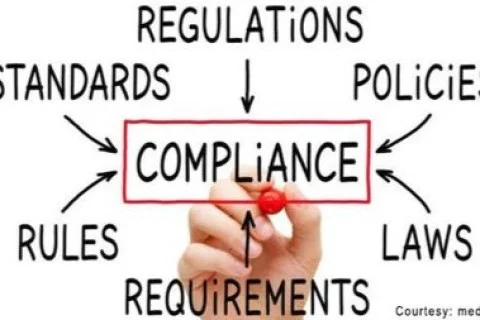
Health, Safety, and Environment laws exist to protect employees, the public, and organizational assets. Compliance is not optional; it is a legal and ethical obligation. Organizations that neglect HSE regulations expose themselves to serious consequences that extend far beyond financial penalties.
Failure to meet regulatory requirements can disrupt operations, damage reputation, and endanger lives.
Regulatory authorities have the power to impose significant fines on organizations that fail to comply with occupational safety and health standards. The severity of penalties typically depends on the level of negligence, extent of harm caused, and whether previous violations have occurred.
In serious cases involving injury, fatality, or environmental damage, enforcement agencies may pursue criminal prosecution against responsible individuals and corporate entities.
Non-compliance may result in prohibition notices, improvement notices, or temporary closure of facilities until hazards are corrected. These enforcement actions can lead to production delays, contract losses, and financial instability.
Operational shutdowns often generate costs that exceed the original investment required for compliance.
Employees injured due to unsafe working conditions may file compensation claims. Civil lawsuits can result in substantial financial settlements and long-term insurance premium increases.
Beyond direct compensation, organizations may also incur legal fees and reputational harm.
Publicized safety violations significantly affect stakeholder trust. Clients, investors, and business partners are increasingly sensitive to corporate responsibility and compliance performance.
Reputational damage can lead to loss of contracts, reduced investor confidence, and diminished brand value.
Unsafe work environments reduce employee morale and confidence in leadership. Workers who feel unprotected are less engaged and more likely to leave the organization.
High turnover, absenteeism, and low productivity further weaken business performance.
Senior managers and directors may be held personally liable where negligence or failure of oversight is proven. In certain jurisdictions, imprisonment may be imposed for serious violations resulting in fatalities or severe environmental harm.
Leadership accountability reinforces the importance of integrating HSE compliance into corporate governance structures.
Investing in preventive measures such as risk assessments, employee training, safety equipment, and internal audits is significantly more cost-effective than addressing the consequences of accidents or regulatory action.
Proactive compliance strengthens operational stability and protects long-term profitability.
Ignoring Health, Safety, and Environment laws carries substantial legal, financial, and reputational risks. Compliance is not merely a regulatory requirement but a fundamental business responsibility.
Organizations that prioritize HSE standards protect their workforce, safeguard their operations, and demonstrate responsible leadership within their industry.

Feb 13, 2026
Feb 13, 2026
Feb 13, 2026

Feb 13, 2026
[
{
"pageID": null,
"pageTitle": "Occupational Safety and Health Services in Kenya",
"pageSlug": "occupational-safety-and-health-services-in-kenya",
"headline": "Occupational Safety and Health Services in Kenya",
"isRoot": "1",
"pageCont": "Occupational Safety and Health Services in Kenya
\r\n\r\nIntroduction
\r\n\r\nOccupational Safety and Health (OSH) is a legal and moral responsibility for every employer in Kenya.\r\nThe Directorate of Occupational Safety and Health Services (DOSHS), under the State Department of Labour and Skills Development,\r\nis responsible for enforcing workplace safety standards and protecting workers from occupational hazards.\r\n
\r\n\r\nOverview of DOSHS in Kenya
\r\n\r\nDOSHS operates from its headquarters at Safety House, Industrial Area, Nairobi, with county offices in twenty nine (29) counties.\r\nIts mandate is to enforce occupational safety and health laws, prevent workplace accidents, and promote compliance across all sectors.\r\n
\r\n\r\nKey Occupational Safety and Health Services Provided by DOSHS
\r\n\r\n1. Registration and Renewal of Workplaces and Plants
\r\n\r\nAll workplaces in Kenya are required by law to register with DOSHS.\r\nEmployers complete statutory forms, conduct a self assessment, and submit applications through county offices for verification and approval.\r\n
\r\n\r\n2. Approval of Competent Persons and Institutions
\r\n\r\nDOSHS certifies qualified professionals and institutions to provide occupational safety and health services.\r\nThe process includes advertisement, application, interviews, induction training, and official approval.\r\n
\r\n\r\n3. Workplace Inspection and Audits
\r\n\r\nDOSHS officers conduct inspections to assess compliance with safety laws and workplace conditions.\r\nBased on findings, improvement or prohibition notices may be issued.\r\n
\r\n\r\n4. Examination and Testing of Plants
\r\n\r\nRegistered plants are examined by approved persons to ensure they meet safety standards.\r\nInspection reports are reviewed by DOSHS technical officers for further action.\r\n
\r\n\r\n\r\nEmployers must report fatal accidents within 24 hours and non fatal accidents within 7 days using DOSHS Form 1.\r\nInvestigations support compensation claims under the Work Injury Benefits Act (WIBA).\r\n
\r\n\r\n\r\nCompliance with occupational safety and health requirements reduces injuries, improves productivity,\r\nand ensures legal protection for both employers and employees.\r\nA safe workplace is essential for sustainable business operations in Kenya.\r\n
\r\n", "showContent": "1", "pageDesc": "Occupational Safety and Health Services in Kenya explained. Learn about DOSHS roles, workplace registration, inspections, plant testing, and WIBA accident reporting.", "dateCreated": "Jan 28, 2026 1:52 PM", "date_modified": "2026-01-28 12:59:47", "author": "Nderitu ", "postParent": "595", "isParent": "0", "pageImage": "uploads/img/pages/occupational-safety-and-health-services-in-kenya.webp", "showImage": "1", "imgThumbnail": "uploads/img/pages/thumbnails/occupational-safety-and-health-services-in-kenya.webp", "medium_thumbnail": "uploads/img/pages/medium-thumbnails/occupational-safety-and-health-services-in-kenya.webp", "small_thumbnail": "uploads/img/pages/small-thumbnails/occupational-safety-and-health-services-in-kenya.webp", "xs_thumbnail": null, "active": "1", "showOnNav": "0", "pageType": "Blog", "carouselID": null, "template": "2", "icon": null, "featuredPage": "0", "slideImage": null, "slide_image_small": null, "webp_slide_image": null, "webp_slide_image_sm": null, "slideTitle": null, "slideCaption": null, "showCaption": "0", "hasComments": "0", "font_icon": null, "footer_link": null, "page_video": null, "header_image": null, "menuImage": null, "youtube_playlist": null, "slider_title_color": "#f6921e", "slider_caption_color": "#ffffff", "caption_position": null, "slide_overlay": "0", "page_intro": null, "short_intro": "Occupational Safety and Health (OSH) is a legal and moral responsibility for every employer in Kenya. To enforce workplace safety standards and protect employees from injuries, illnesses, and occupational hazards, the Government of Kenya operates throu", "cta_text": null, "cta_url": null, "menu_title": null, "section_title": null, "embedded_page": "0", "resource_page": "0", "show_header": "0", "require_subscription": "0", "show_menu_title": "0", "image_url": null, "featured": null, "banner": null, "color": null, "date_created": "Jan 28, 2026", "parentSlug": "osh-news/law-and-regulations", "grandparentSlug": "osh-news", "url": "osh-news/law-and-regulations/occupational-safety-and-health-services-in-kenya", "parentTitle": "Law and Regulations", "title": "Occupational Safety and Health Services in Kenya" }, { "pageID": null, "pageTitle": "Occupational Rights in Kenya: Keeping Workers Safe and Protected", "pageSlug": "occupational-rights-in-kenya-keeping-workers-safe-and-protected", "headline": "Understanding Occupational Rights in Kenya: A Simple Guide to Worker Safety", "isRoot": "1", "pageCont": "
In Kenya, workers\u2019 safety and well-being aren\u2019t just nice ideas they\u2019re protected by law. The Constitution of Kenya (2010) and the Occupational Safety and Health Act (OSHA) outline what every worker should expect at their workplace: safety, fairness, and proper protection.
What Rights Do Workers Have?
Here\u2019s what every worker should be able to count on:
What OSHA Requires from Employers
OSHA is the main law guiding workplace safety in Kenya, and it puts several responsibilities on employers, such as:
The Challenges
Even with these laws in place, many Kenyan workers especially in the informal sector still face unsafe working conditions. Limited enforcement and lack of awareness often make the situation worse.
What Needs to Happen
To improve things, a joint effort is needed:
Protecting occupational rights isn\u2019t just about obeying the law it\u2019s about ensuring people can work safely and return home healthy. A strong safety culture helps workers, employers, and the country\u2019s economy thrive.
", "showContent": "1", "pageDesc": "A simple, conversational guide to occupational rights in Kenya, explaining workers\u2019 safety protections, employer responsibilities, and the challenges facing workplace health and safety today.", "dateCreated": "Nov 25, 2025 8:53 PM", "date_modified": "2025-11-26 14:47:08", "author": "Nderitu ", "postParent": "595", "isParent": "0", "pageImage": "uploads/img/pages/occupational-rights-in-kenya-keeping-workers-safe-and-protected.webp", "showImage": "1", "imgThumbnail": "uploads/img/pages/thumbnails/occupational-rights-in-kenya-keeping-workers-safe-and-protected.webp", "medium_thumbnail": "uploads/img/pages/medium-thumbnails/occupational-rights-in-kenya-keeping-workers-safe-and-protected.webp", "small_thumbnail": "uploads/img/pages/small-thumbnails/occupational-rights-in-kenya-keeping-workers-safe-and-protected.webp", "xs_thumbnail": null, "active": "1", "showOnNav": "0", "pageType": "Blog", "carouselID": null, "template": "2", "icon": null, "featuredPage": "0", "slideImage": null, "slide_image_small": null, "webp_slide_image": null, "webp_slide_image_sm": null, "slideTitle": null, "slideCaption": null, "showCaption": "0", "hasComments": "0", "font_icon": null, "footer_link": null, "page_video": null, "header_image": "uploads/img/headers/occupational-rights-in-kenya-keeping-workers-safe-and-protected.42", "menuImage": null, "youtube_playlist": null, "slider_title_color": "#f6921e", "slider_caption_color": "#ffffff", "caption_position": null, "slide_overlay": "0", "page_intro": null, "short_intro": "Workers in Kenya are protected by laws that ensure their safety and well-being on the job. Here\u2019s a quick look at the key rights every worker should know.
", "cta_text": null, "cta_url": null, "menu_title": null, "section_title": null, "embedded_page": "0", "resource_page": "0", "show_header": "0", "require_subscription": "0", "show_menu_title": "0", "image_url": null, "featured": null, "banner": null, "color": null, "date_created": "Nov 25, 2025", "parentSlug": "osh-news/law-and-regulations", "grandparentSlug": "osh-news", "url": "osh-news/law-and-regulations/occupational-rights-in-kenya-keeping-workers-safe-and-protected", "parentTitle": "Law and Regulations", "title": "Understanding Occupational Rights in Kenya: A Simple Guide to Worker Safety" }, { "pageID": null, "pageTitle": "Kenya to review First Aid Rules", "pageSlug": "kenya-to-review-first-aid-rules", "headline": null, "isRoot": "1", "pageCont": "Kenya's Directorate of Occupational Safety and Health (DOSH) is in the process of revising the First Aid Rules first published in 1977. In a notice to stakeholders in occupational safety and health, DOSH noted that a Technical advisory committee has prepared a draft of the revised First Aid rules. Stakeholders are invited to submit comments on the draft before 4th December 2020. A validation workshop for the same will be held in February 2021.
\r\nThe Current First Aid Rules, officially known as Factories (First Aid) Rules, 1977 [LN. No. 160] were first published in June 1977. The rules now form part of the subsidiary legislation under the Occupational Safety and Health Act, 2007 and are applicable to all workplaces under the Act.
\r\nSome of the requirements in the current First Aid rules include;
\r\nThe government is also in the process of amending the Occupational Safety and Health Act 2007 as well as certain provisions of the Workplace Injuries Benefit Act (WIBA) 2007. According to statements attributed to the cabinet secretary for labour, Simon Chelugui, the Occupational Safety and Health Bill 2019 bill was to be being reviewed by Treasury and if no objection, be forwarded to the cabinet for approval.
", "showContent": "1", "pageDesc": "The rules form part of the subsidiary legislation under the Occupational Safety and Health Act, 2007 and are applicable to all workplaces under the Act.", "dateCreated": "Nov 30, 2020 4:21 PM", "date_modified": "2025-11-21 11:12:37", "author": "HSE Editor", "postParent": "595", "isParent": "0", "pageImage": "uploads/images/202011/image_750x_5fc4f1c1579d0.jpg", "showImage": "1", "imgThumbnail": "uploads/images/202011/image_750x415_5fc4f1c1bce4a.jpg", "medium_thumbnail": null, "small_thumbnail": "uploads/images/202011/image_100x75_5fc4f1c1cb1ae.jpg", "xs_thumbnail": null, "active": "1", "showOnNav": "0", "pageType": "Blog", "carouselID": null, "template": "2", "icon": null, "featuredPage": "0", "slideImage": null, "slide_image_small": null, "webp_slide_image": null, "webp_slide_image_sm": null, "slideTitle": null, "slideCaption": null, "showCaption": "1", "hasComments": "0", "font_icon": null, "footer_link": null, "page_video": null, "header_image": null, "menuImage": null, "youtube_playlist": null, "slider_title_color": "#000000", "slider_caption_color": "#000000", "caption_position": null, "slide_overlay": "0", "page_intro": null, "short_intro": "Kenya's Directorate of Occupational Safety and Health (DOSH) is in the process of revising the First Aid Rules first published in 1977. In a notice to stakeholders in occupational safety and health, DOSH noted that a Technical advisory committee has prepa", "cta_text": null, "cta_url": null, "menu_title": null, "section_title": null, "embedded_page": "0", "resource_page": "0", "show_header": "0", "require_subscription": "0", "show_menu_title": "0", "image_url": null, "featured": null, "banner": null, "color": null, "date_created": "Nov 30, 2020", "parentSlug": "osh-news/law-and-regulations", "grandparentSlug": "osh-news", "url": "osh-news/law-and-regulations/kenya-to-review-first-aid-rules", "parentTitle": "Law and Regulations", "title": "Kenya to review First Aid Rules" }, { "pageID": null, "pageTitle": "Proposed Bill to change regulatory framework for OSH", "pageSlug": "proposed-bill-to-change-regulatory-framework-for-osh", "headline": null, "isRoot": "1", "pageCont": "The oversight and regulation of occupational safety and health in Kenya is set to undergo a major transformation if the Occupational Safety and Health Bill 2019 is enacted into law.
\r\nAccording to the cabinet secretary for labour, Simon Chelugui, the bill is currently being reviewed by Treasury and if no objection, it will be forwarded to the cabinet for approval. The bill seeks to amend the current Occupational Safety and Health Act 2007 as well as certain provisions of the Workplace Injuries Benefit Act (WIBA) 2007
\r\nThe CS was speaking on Wednesday when he officially opened a meeting for the National Council for Occupational Safety and Health (NACOSH) at a hotel in Nakuru.
\r\nAccording to the bill, the Directorate of Occupational Safety and Health Services (DOSHS), the body currently mandated to ensure compliance to the OSHA 2007 and WIBA 2007 will be transformed into the Occupational Safety and Health and Injury Compensation Authority (OSHICA).
\r\nThe bill also proposes the establishment of the Occupational Injury compensation Fund to address the compensation of occupational injuries and diseases.
\r\nIt may however be a long wait before the bill is enacted into law and proposed changes are implemented. A separate bill, the Occupational safety and Health Practitioners bill 2016 is yet to be presented to Parliament for discussions since being drafted in early 2017. The bill proposes provisions for training, registration of occupational safety practitioners and regulation of OSH practice to ensure high standards and proper conduct of practitioners.
", "showContent": "1", "pageDesc": "The bill also proposes the establishment of the Occupational Injury compensation Fund to address the compensation of occupational injuries and diseases.", "dateCreated": "Feb 21, 2020 7:52 AM", "date_modified": "2025-11-21 11:13:26", "author": "HSE Editor", "postParent": "595", "isParent": "0", "pageImage": "uploads/images/202011/image_750x_5fa96b6517a23.jpg", "showImage": "1", "imgThumbnail": "uploads/images/202011/image_750x415_5fa96b652551c.jpg", "medium_thumbnail": null, "small_thumbnail": "uploads/images/202011/image_100x75_5fa96b6530a9a.jpg", "xs_thumbnail": null, "active": "1", "showOnNav": "0", "pageType": "Blog", "carouselID": null, "template": "2", "icon": null, "featuredPage": "0", "slideImage": null, "slide_image_small": null, "webp_slide_image": null, "webp_slide_image_sm": null, "slideTitle": null, "slideCaption": null, "showCaption": "1", "hasComments": "0", "font_icon": null, "footer_link": null, "page_video": null, "header_image": null, "menuImage": null, "youtube_playlist": null, "slider_title_color": "#000000", "slider_caption_color": "#000000", "caption_position": null, "slide_overlay": "0", "page_intro": null, "short_intro": "The oversight and regulation of occupational safety and health in Kenya is set to undergo a major transformation if the Occupational Safety and Health Bill 2019 is enacted into law. ", "cta_text": null, "cta_url": null, "menu_title": null, "section_title": null, "embedded_page": "0", "resource_page": "0", "show_header": "0", "require_subscription": "0", "show_menu_title": "0", "image_url": null, "featured": null, "banner": null, "color": null, "date_created": "Feb 21, 2020", "parentSlug": "osh-news/law-and-regulations", "grandparentSlug": "osh-news", "url": "osh-news/law-and-regulations/proposed-bill-to-change-regulatory-framework-for-osh", "parentTitle": "Law and Regulations", "title": "Proposed Bill to change regulatory framework for OSH" }, { "pageID": null, "pageTitle": "New WHO noise guidelines for Europe released", "pageSlug": "new-who-noise-guidelines-for-europe-released", "headline": null, "isRoot": "1", "pageCont": "The just released WHO Environmental Noise Guidelines for the European Region provide strong evidence that noise is one of the top environmental hazards to both physical and mental health and well-being in the European Region.
\r\nOfficially launched to countries and stakeholders in Basel, Switzerland on 10 October 2018, the document identifies levels at which noise has significant health impacts and recommends actions to reduce exposure. For the first time, a comprehensive and rigorous methodological framework was applied to develop the recommendations.
\r\n\"Noise pollution in our towns and cities is increasing, blighting the lives of many European citizens. More than a nuisance, excessive noise is a health risk - contributing to cardiovascular diseases, for example. We need to act on the many sources of noise pollution - from motorized vehicles to loud nightclubs and concerts to protect our health,\" says Dr Zsuzsanna Jakab, WHO Regional Director for Europe. \"The new WHO guidelines define exposure levels to noise that should not be exceeded to minimize adverse health effects and we urge European policy-makers to make good use of this guidance for the benefit of all Europeans.\"
\r\nCompared to previous WHO guidelines on noise, this version contains five significant developments:
\r\nTargeted at decision-makers and technical experts, the new guidelines aim to support legislation and policy-making at local, national and international level. \"Through their potential to influence urban, transport and energy policies, the Environmental Noise Guidelines contribute to the 2030 Agenda for Sustainable Development and support our vision of creating resilient communities and supportive environments in the Region,\" continues Dr Jakab.
\r\nAlthough the guidelines focus on the European Region and provide guidance consistent with the European Union's Environmental Noise Directive, they also have global relevance. The large body of evidence underpinning the recommendations was derived not only from noise effect studies in Europe but also from research in other parts of the world, mainly America, Asia and Australia.
\r\nFurthermore, the guidelines highlight data and research gaps to be addressed in future studies.
\r\nThe development process of the current guidelines was conducted by two independent groups of experts from the environmental noise community who adhered to a new, rigorous, evidence-based methodology. Eight peer-reviewed systematic reviews of the pertinent literature underpin the guidelines, incorporating significant research since the publication of the WHO Night Noise Guidelines for Europe in 2009. The systematic reviews were based on several health outcomes; cardiovascular and metabolic effects, annoyance, effects on sleep, cognitive impairment, hearing impairment and tinnitus, adverse birth outcomes, and quality of life, mental health and well-being and the effectiveness of interventions in reducing noise exposure and negative health impacts.
\r\n\"These guidelines have been developed based on the growing body of evidence in the field of environmental noise research,\" concludes Professor Stephen Stansfeld, Chair of the Guidelines Development Group. \"They aim to support public health policy that will protect communities from the adverse effects of noise, as well as stimulate further research into the health effects of different types of noise.\"
\r\nWhile previous WHO guidelines have examined noise pollution, the new report has made a change by including the impact of leisure noise. More research may be needed as there is no universally accepted method of assessing the risk of hearing loss due to environmental noise exposure. The WHO estimates that more than a billion teenagers and young adults are at risk of hearing loss due to personal listening devices. The safest way to use headphones is at around 60 percent volume, the agency has noted, ideally no longer than an hour per day.
\r\nBut the heightened risk of tinnitus aside, excessive noise levels can damage a lot more than our hearing ability. One review from 2015 noted noise exposure could increase the production of stress hormones in the body, which is linked to high blood pressure, heart disease, stroke, and chronic diseases.
\r\n\"The important point is that noise is not just annoying,\" said Dr. Thomas Munzel, one of the researchers from the Johannes Gutenberg University, Germany. \"One can close his eyes but not his ears. Our body will always react with a stress reaction.\"
\r\nSource: WHO; Medical Daily
", "showContent": "1", "pageDesc": "The guidelines focus on the European Region, provide guidance consistent with the European Union's Environmental Noise Directive but have global relevance.", "dateCreated": "Oct 17, 2018 10:28 AM", "date_modified": "2025-11-21 11:13:59", "author": "HSE Editor", "postParent": "595", "isParent": "0", "pageImage": "uploads/images/202011/image_750x_5faa40f179e96.jpg", "showImage": "1", "imgThumbnail": "uploads/images/202011/image_750x415_5faa40f186ed4.jpg", "medium_thumbnail": null, "small_thumbnail": "uploads/images/202011/image_100x75_5faa40f1928a5.jpg", "xs_thumbnail": null, "active": "1", "showOnNav": "0", "pageType": "Blog", "carouselID": null, "template": "2", "icon": null, "featuredPage": "0", "slideImage": null, "slide_image_small": null, "webp_slide_image": null, "webp_slide_image_sm": null, "slideTitle": null, "slideCaption": null, "showCaption": "1", "hasComments": "0", "font_icon": null, "footer_link": null, "page_video": null, "header_image": null, "menuImage": null, "youtube_playlist": null, "slider_title_color": "#000000", "slider_caption_color": "#000000", "caption_position": null, "slide_overlay": "0", "page_intro": null, "short_intro": "The just released WHO Environmental Noise Guidelines for the European Region provide strong evidence that noise is one of the top environmental hazards to both physical and mental health and well-being in the European Region.", "cta_text": null, "cta_url": null, "menu_title": null, "section_title": null, "embedded_page": "0", "resource_page": "0", "show_header": "0", "require_subscription": "0", "show_menu_title": "0", "image_url": null, "featured": null, "banner": null, "color": null, "date_created": "Oct 17, 2018", "parentSlug": "osh-news/law-and-regulations", "grandparentSlug": "osh-news", "url": "osh-news/law-and-regulations/new-who-noise-guidelines-for-europe-released", "parentTitle": "Law and Regulations", "title": "New WHO noise guidelines for Europe released" }, { "pageID": null, "pageTitle": "Uganda: Govt to inspect Companies' Compliance with Safety Law ", "pageSlug": "uganda-govt-to-inspect-companies-compliance-with-safety-law", "headline": null, "isRoot": "1", "pageCont": "The Ugandan Government is set to carry out an operation to crack down on all industries and factories which do not comply with safety of workers. This is according to reports published in the New Vision.
\r\nThe paper quoted the Permanent Secretatry in the Ministry of Gender, Labour and Social Development, Pius Bigirimana, who said that all workplaces ensure the safety of their workers to protect them inline of duty, as per the Occupational Safety and Health Act, 2006.
\r\n\"We are going to carry out an inspection and check the status of all workplaces in industries to see what measures they have put in place to protect workers. Those who do not comply, will be closed. I have the powers and this ministry has that mandate to make sure people work under a conducive environment,\" he said.
\r\nSpeaking during the launch of the employers (manufacturers and industrialists) sensitization workshop on Chemical, Biological, Radiological, Nuclear and Explosives (CBRNE) Safety and Security Measures at workplaces in Kampala, The PS said that those found unregistered contrary to the OSH Act, 2006, would be given 21 days within which to comply or be closed, as per the law. He said all workplaces must promote the safety and security of various chemicals.
\r\n\"The CBRNE are indispensable in many economic activities; however there misuse or failure to follow best practice is costly as they pose a wide range of safety, health and security hazards,\" he added.
\r\nHe stressed that though Uganda is a non-possessor state of chemical weapons, it is pursuing peaceful and developmental agenda on the use of chemicals and other Biological, Radiological, Nuclear and Explosives.
\r\n\"Some of the chemicals used in industries could pose threat to the population if not managed well. As the East African Community moves towards more open borders, within the integration context, it is important to underscore the need for greater chemical safety and security in both national and sub-region. But it starts from our homes and workplaces,\" he added.
\r\nA recent study done by the ministry on the usage and protection of chemicals at various workplaces, indicates that 55% of the 22 sampled stations were not registered contrary to OSH Act, 2006. Innocent Batambuze, a senior occupational hygienist, said 41% of the workplaces had improper ventilation while 72% lacked emergency preparedness and response like eye wash and safety showers.
\r\nThe Federation of Uganda Employers, Executive Director, Opio Douglas said there is need to increase inspection to check compliance and to up the awareness campaign in all workplaces to promote safety and management of chemicals at all levels.
\r\nSource: New Vision
", "showContent": "1", "pageDesc": "The govt is set to carry out an inspection on the status of all workplaces in industries to see what measures they have put in place to protect workers. ", "dateCreated": "Apr 13, 2018 10:13 AM", "date_modified": "2025-11-21 11:14:36", "author": "HSE Editor", "postParent": "595", "isParent": "0", "pageImage": "uploads/images/202011/image_750x_5face08a14ea7.jpg", "showImage": "1", "imgThumbnail": "uploads/images/202011/image_750x415_5face08a22ae9.jpg", "medium_thumbnail": null, "small_thumbnail": "uploads/images/202011/image_100x75_5face08a2f01c.jpg", "xs_thumbnail": null, "active": "1", "showOnNav": "0", "pageType": "Blog", "carouselID": null, "template": "2", "icon": null, "featuredPage": "0", "slideImage": null, "slide_image_small": null, "webp_slide_image": null, "webp_slide_image_sm": null, "slideTitle": null, "slideCaption": null, "showCaption": "1", "hasComments": "0", "font_icon": null, "footer_link": null, "page_video": null, "header_image": null, "menuImage": null, "youtube_playlist": null, "slider_title_color": "#000000", "slider_caption_color": "#000000", "caption_position": null, "slide_overlay": "0", "page_intro": null, "short_intro": "The Ugandan Government is set to carry out an operation to crack down on all industries and factories which do not comply with safety of workers.", "cta_text": null, "cta_url": null, "menu_title": null, "section_title": null, "embedded_page": "0", "resource_page": "0", "show_header": "0", "require_subscription": "0", "show_menu_title": "0", "image_url": null, "featured": null, "banner": null, "color": null, "date_created": "Apr 13, 2018", "parentSlug": "osh-news/law-and-regulations", "grandparentSlug": "osh-news", "url": "osh-news/law-and-regulations/uganda-govt-to-inspect-companies-compliance-with-safety-law", "parentTitle": "Law and Regulations", "title": "Uganda: Govt to inspect Companies' Compliance with Safety Law " } ]