Environmental Safety: Protecting People, Workplaces, and the Planet
Feb 24, 2026

Section 44 of the Occupational Safety and Health Act, 2007 requires that before any person occupies or uses any premises as a workplace in Kenya he shall apply for the registration of such premises by sending to the Director of Occupational Safety and Health Services a written notice containing the particulars set out in the Fourth Schedule of the Act. Section 45 (6) of the same Act requires that an occupier shall renew the certificate of registration annually.
Application for registration of a workplace is done by filling form MLSSS/DOSH 21A and completing a Workplace Self-assessment report available in the Ministry of Labour website. Applicants are also required to pay the OSH levy (Ksh. 3,000) and registration fee (Ksh. 2,000) to the DOSHS account and submit the deposit slip as well as the duly filled application form and self-assessment report to the DOSHS offices. The applicant is then issued with a certificate of registration.
When applying for the annual renewal of the certificate of registration, an occupier is required to fill in form MLSSS/DOSH 21B, submit a duly filled Self-assessment report and make payment for the OSH levy and registration fee.
The information required in completing both the registration and renewal forms is quite straight forward. These are basic questions that mostly require Yes/No answers. However, it should be duly filled with all relevant information to avoid any delay or denial of the Registration Certificate. This can be made easier if a safety professional is involved in the registration.
It is recommended that a safety professional should be engaged in filling the self-assessment report. This is because in addition to the general description of the workplace, personnel and facilities, the self-assessment also involves identification of hazards and proposing control measures. Information on existing health and safety policy is also required. As such, having professional help could help you save time and ensure quick processing of the application.
A performance audit by the Office of the Auditor General showed that as at April 2016, only 0.7% of the 1,700,000 workplaces in Kenya had been registered. The audit further found that as many as 75% of registered workplaces failed to renew their workplaces for the year 2014/15. The low registration and renewal rates were attributed to inadequate staff and inadequate finances to finance the logistics as well as low levels of awareness among the occupiers and workers on the need for registration.
The OSH levy is paid into the OSH fund established by the Occupational Safety and Health Act, 2007 which is meant to enable DOSHS to among others;
Operating a workplace without having been issued with a certificate of registration under the provisions of OSHA, 2007 is likely to lead to a fine of up to Ksh 100,000 or imprisonment for a period of up to 3 months. Failure to comply following a conviction could make one liable for imprisonment for 7 days for each day on which the offence is continued.
In 2017, DOSHS upgraded its Database in a process that saw all workplaces issued with a unique identifier. All registered workplaces are now required to use the number on their certificates as a unique identifier during the renewal process.
[
{
"pageID": null,
"pageTitle": "Investigating Incidents at the Workplace",
"pageSlug": "investigating-incidents-at-the-workplace",
"headline": null,
"isRoot": "1",
"pageCont": "The law on workplace safety in many jurisdictions places a lot of emphasis on investigation and reporting of workplace incidents. In Kenya, OSHA 2007 is very clear on the Reporting of Occupational Accidents.
\r\nBeyond complying with the law, investigating a worksite incident - a fatality, injury, illness, or near miss - provides employers and workers the opportunity to identify hazards in their operations and shortcomings in their safety and health programs. Most importantly, it enables employers and workers to identify and implement the corrective actions necessary to prevent future incidents.
\r\nIncident investigations that focus on identifying and correcting root causes, not on finding fault or blame, also improve workplace morale and increase productivity, by demonstrating an employer's commitment to a safe and healthful workplace.
\r\n\r\n\r\n\r\n
\r\n
\r\n\r\n\r\n
\r\nIncident investigations are often conducted by a supervisor, but to be most effective, these investigations should include managers and employees working together, since each bring different knowledge, understanding and perspectives to the investigation.
\r\nIn conducting an incident investigation, the team must look beyond the immediate causes of an incident. It is far too easy, and often misleading, to conclude that carelessness or failure to follow a procedure alone was the cause of an incident. To do so fails to discover the underlying or root causes of the incident, and therefore fails to identify the systemic changes and measures needed to prevent future incidents. When a shortcoming is identified, it is important to ask why it existed and why it was not previously addressed.
\r\nFor example:
\r\nThese examples illustrate that it is essential to discover and correct all the factors contributing to an incident, which nearly always involve equipment, procedural, training, and other safety and health program deficiencies.
\r\nAddressing underlying or root causes is necessary to truly understand why an incident occurred, to develop truly effective corrective actions, and to minimize or eliminate serious consequences from similar future incidents.
", "showContent": "1", "pageDesc": "Investigating a worksite incident - a fatality, injury, illness, or near miss - provides employers and workers the opportunity to identify hazards in their operations and shortcomings in their safety and health programs.\r\n", "dateCreated": "Sep 6, 2021 6:31 PM", "date_modified": "2025-11-21 11:16:11", "author": "HSE Editor", "postParent": "582", "isParent": "0", "pageImage": "uploads/images/202011/image_750x_5fae695fa626c.jpg", "showImage": "1", "imgThumbnail": "uploads/images/202011/image_750x415_5fae695fb8b4f.jpg", "medium_thumbnail": null, "small_thumbnail": "uploads/images/202011/image_100x75_5fae695fc4338.jpg", "xs_thumbnail": null, "active": "1", "showOnNav": "0", "pageType": "Blog", "carouselID": null, "template": "2", "icon": null, "featuredPage": "0", "slideImage": null, "slide_image_small": null, "webp_slide_image": null, "webp_slide_image_sm": null, "slideTitle": null, "slideCaption": null, "showCaption": "1", "hasComments": "0", "font_icon": null, "footer_link": null, "page_video": null, "header_image": null, "menuImage": null, "youtube_playlist": null, "slider_title_color": "#000000", "slider_caption_color": "#000000", "caption_position": null, "slide_overlay": "0", "page_intro": null, "short_intro": "Beyond complying with the law, investigating a worksite incident - a fatality, injury, illness, or near miss - provides employers and workers the opportunity to identify hazards in their operations and shortcomings in their safety and health programs. Mos", "cta_text": null, "cta_url": null, "menu_title": null, "section_title": null, "embedded_page": "0", "resource_page": "0", "show_header": "0", "require_subscription": "0", "show_menu_title": "0", "image_url": null, "featured": null, "banner": null, "color": null, "date_created": "Sep 6, 2021", "parentSlug": null, "grandparentSlug": null, "url": "osh/investigating-incidents-at-the-workplace", "parentTitle": "OSH", "title": "Investigating Incidents at the Workplace" }, { "pageID": null, "pageTitle": "HSE East Africa receives Global Recognition", "pageSlug": "hse-east-africa-receives-global-recognition", "headline": null, "isRoot": "1", "pageCont": "HSE East Africa (www.hse.co.ke) has been ranked among the Top 80 Health and Safety Blogs and Websites on the Web in 2020. This achievement reflects our commitment to provide our audience with timely and relevant content on occupational safety and health.
HSE was ranked 29th among other health and safety blogs, websites and other platforms according to ranking done by Feedspot. Top in this category is Safety + Health Magazine, a publication of the National Safety Council, USA. HSE is also the highest ranked African blog in this category followed by Sheqxel of Ghana (35).
The freemium online RSS feed reader puts together content from Blogs, News websites, RSS Feeds, Youtube Channels and Social sites. This allows readers access their favorite content in one place.
The World day for Safety and Health at work 2019 theme- as declared by ILO is \"Safety and Health and the future of work\" The \"future of work\" is by far the most trending and hottest topic currently making the rounds. The future of work is about the debate of what impact technology, automation, like artificial intelligence (AI) and robotics, digitization, globalization etc will have on the work, skills, income, work environment, machines and the employees.
\r\nThe most crucial and critical question Occupational health and safety (OHS) professionals must ask concerning these current trends is how the future of work is being shaped in the OHS profession and the likely or impacts expected within the OHS profession in the face of growing technology, and the adoption of machine automation in the workplace, the redesign and introduction of new work activities, the expansion of the workforce, the requirement of new skills and the kind of talents that will be needed to remain relevant, what changes are in store for the OHS profession? How ready is the OHS profession in the developing nations? How ready is the industry for this revolutionary changes we are already experiencing that will greatly shape the future of work globally.
\r\nI think what this theme seeks to achieve is to make the professionals within the OHS industry brainstorm and come up with creative and innovation ways in addressing the next future of our work, looking at our peculiar challenges and the context of our current OHS operating environment, can we possibly face the looming threat of \"dinosaurs extinction\" in the next future of work?
\r\nBelow are some of the critical components that will drive the future of work :
\r\nDigitization, innovation, changing work structures are changes and new trends in technology that will definitely impact the way work will be done. Because the introduction and use of automation enabled by technologies including artificial intelligence (Ai), robotics. bring the promise of higher productivity and economic growth, increased efficiencies, and convenience, most top strategic organizations are currently looking at the direction of process automation and digitization as a way of escaping the next economic disruption. Obviously, these changes in the use of technologies also raise issues about the impact of automation of some skills sets, jobs, income and the overall nature of work itself. This definitely means some kind of work disruption.
\r\nFor the OHS professionals, this disruption can mean opportunities or stumbling blocks. Definitely, there will be increasing skill gaps as a result of these disruptions. How ready is the OHS professionals within our clime? Agreed, that as part of the developing world, we are only just starting to capture the opportunities in automation and digitization for economic advancement, however, the world is not just starting. In fact, the world is growing exponentially in the technological landscapes, if we, the OHS professionals do not key into the current wave of industrial revolution, keeping up with the trend in the next future of work may become a very daunting and challenging task.
\r\nThere is no debate about this, creativity and innovation still rules the world. In the future economy will be built on on creativity and technology. ( the future is already here, if you have any doubt, just check out: Amazon, Apple, Facebook, Uber- all thrive on creative and innovative technologies). The digital revolution may render some work obsolete but it cannot render creative and innovation people \"obsolete\". There will be immense opportunities for OHS Professionals who can effectively combine technical and social skills, soft skills that are resilient to the future.
\r\nAs a key differentiation factor to ensure OHS remains relevant in the workplaces, innovation and creativity will become a recurring decimal. Certification and Technical abilities will no longer be sufficient to scale you for the future of work. What will scale you, is engagement in self development around critical thinking, Lean management, Effective Change Management & Adaptability, Negotiation& Conflict management skills. Improve and invest in Self Management, Emotional intelligence, collaboration and virtual skills. Learn about the different performance evaluation, monitoring and measurement tools and the list continues... Whatever you do, just ensure there's an element of self growth and development and continuous improvement.
\r\nAge will no longer be the only characteristic for distinguishing demographics. Women are expected to continue to gain share in the work environment rising from 46.8 percent of the workforce in 2014 to 47.2 percent in 2024. (US workforce of the future- Deloitte). The theme of the just celebrated international women's day #Balanceforbetter should leave you without doubt.
\r\nIt is further estimated that by 2020, the Millennials (the Generation Y) will comprise half of the workforce, and by 2025, ( just barely five years from now), they will make up 75% of the global workforce while the Generation X (majority of the top and middle level OHS Professionals fall within this bracket) will comprise of just 16% of the total workforce ( According to the U.S. Bureau of Labor Statistics.Oct 9, 2018).
\r\nTherefore , to remain relevant, the OHS professionals must begin to look at how to create balance in work activities and how to effectively manage new and emerging risks especially as regards knowledge sharing, succession planning, vulnerability of the workforce (increased younger generation and more women), the peculiarity of the risks and how to effectively manage these risks for the upcoming future of work within the OHS business environment.
\r\nWith the introduction of automated systems and technology innovation, comes the daunting challenge of information protection and data integrity. The data protection and information management( theft and fraud) were among the top 10 current highest ranking operational risks in business enterprise Management ( ISO 31000 and INFOPRO survey 2018/2019). Aside data disruption, data compromise, information accessibility, and talent risks, Information sharing & data protection will pose a huge risks as the OHS profession thrives well on data availability and adequate information.
\r\nOHS professionals must go beyond just recognition of only OHS related risks to a more robust analysis of emerging company wide operational risks, effectively analyse these risks, in order to critically address the organizational issues of information management. Otherwise, information accessibility in the next future of work will be very scarce as Organizations will not be willing to readily provide access to required and relevant information for effective OHS implementation.
\r\nIn addition, the next future of work will also focus on data Analysis and evaluation. This will involve the collection, collation, analysis, and optimization of \"big data\". \"Big data\" is a new and emerging field that describes the systematic extraction, collation, analysis and evaluation of scattered and unstructured data using software applications or computerized systems for data analysis. It is crystal clear that competences will need to honed in IT related skill sets to become a player in this field. Along with this, the OHS professionals must also focus on self-study and competency development not only in the interpretation of \"big data \" but in the evaluation of same, that will translate to visible results in the organisational strategic direction in order to maintain relevance
\r\nTo conclude, any development that is not sustainable is no development. Any improvement that will not yield continuous and consistent result is no improvement- ( quote from me). The ILO, its tripartite partners, academia, and other key stakeholders of Nigeria have agreed to support the Future of Work Initiative for inclusive growth and sustainable development. (ILO publication 30 August 2016). It is obvious that the sustainable development initiative is not \"selling \" as it ought to, hence to enable effective marketing of these \"sustainability products\" , the ILO decided to support the future of work initiatives through inclusion of technological advancements, globalization. Automation, Digitization etc. The OHS profession cannot develop in isolation without yielding to the new strategy of the future of work, hence in order to remain relevant in the soon to be work dispensation the OHS Professionals must align or face the threat of future extinction.
\r\n(The author is the Principal Consultant / CEO Freshfountain Consulting Limited, Occupational Health and Safety consultant and PECB / IRCA certified Lead Auditor based in Lagos, Nigeria)
\r\n", "showContent": "1", "pageDesc": "Is the OSH Profession in developing countries ready for the revolutionary changes we are already experiencing that will greatly shape the future of work ", "dateCreated": "Apr 29, 2019 8:20 AM", "date_modified": "2024-10-27 23:12:54", "author": "Administrator", "postParent": "582", "isParent": "0", "pageImage": "uploads/images/202011/image_750x_5faa23116392f.jpg", "showImage": "1", "imgThumbnail": "uploads/images/202011/image_750x415_5faa231171161.jpg", "medium_thumbnail": null, "small_thumbnail": "uploads/images/202011/image_100x75_5faa23117c495.jpg", "xs_thumbnail": null, "active": "1", "showOnNav": null, "pageType": "Blog", "carouselID": null, "template": "2", "icon": null, "featuredPage": "0", "slideImage": null, "slide_image_small": null, "webp_slide_image": null, "webp_slide_image_sm": null, "slideTitle": null, "slideCaption": null, "showCaption": "1", "hasComments": "0", "font_icon": null, "footer_link": "0", "page_video": null, "header_image": null, "menuImage": null, "youtube_playlist": null, "slider_title_color": null, "slider_caption_color": null, "caption_position": null, "slide_overlay": "0", "page_intro": null, "short_intro": null, "cta_text": null, "cta_url": null, "menu_title": null, "section_title": null, "embedded_page": "0", "resource_page": "0", "show_header": "1", "require_subscription": "0", "show_menu_title": "1", "image_url": "", "featured": null, "banner": null, "color": null, "date_created": "Apr 29, 2019", "parentSlug": null, "grandparentSlug": null, "url": "osh/safety-and-health-and-the-future-of-work", "parentTitle": "OSH", "title": "Safety and Health and the future of work" }, { "pageID": null, "pageTitle": "Fire Detection and Control Technologies can help reduce Injury and Damage", "pageSlug": "fire-detection-and-control-technologies-can-help-reduce-injury-and-damage", "headline": null, "isRoot": "1", "pageCont": "The fire at Ngara Girls High school in Nairobi on Saturday evening caused anxiety and panic among parents and the country at large. The fire which happened while students were attending their preps caused massive damage to property but no serious injuries were reported.
\r\nThe fire brings memories of other incidents that have happened in the past including a fire at the Moi Girls High School in on 2nd September, 2017 where nine students died.
\r\nAccording to reports, the fire at Ngara Girls School was reported by the matron who noticed smoke coming from the Emerald dormitory which accommodates 80 students. The fire was eventually contained by Nairobi Fire Services but not before it had destroyed property of unknown value. Two students were treated for shock.
\r\nThe damage caused by this incident and others that have occurred in the past could have been greatly reduced if the dormitory was equipped with an automatic fire prevention and detection systems. The field of fire detection has advanced to where smoke detectors and alarm devices have combined to become life-safety systems. The purpose of an automatic fire-alarm system is to detect an occurrence, alert the control panel and proper authorities, and notify the occupants to take action.
\r\nModern Fire detection systems consist of a fire alarm control panel (FACP) which acts as the system’s brain. It runs the gamut, from smoke detectors and heat detectors to multi-capability detectors, which contain a number of functions in one detector. Many of the modern detectors today have addressable switches contained in the detector that allow the detector to tell the FACP exactly where the fire is located. The detection devices detect the presence of smoke or particles of combustion and then alert the FACP which then decides on what action to take.
\r\nThe following are some advanced technologies that can be employed in facilities rapidly detect, raise alarms and control fires.
\r\nWith a preaction sprinkler system, water (held back by a preaction valve) is prevented from actually filling the pipes until an event occurs, such as the activation of a heat or smoke detector. Preaction sprinkler systems provide an added level of protection against inadvertent water release and are used primarily in water-sensitive environments such as computer/data centers.
\r\nWaterflow detectors are also extremely useful safety tools because they eliminate the possibility of sprinkler malfunction. Specifically, waterflow detectors monitor the flow of water to sprinkler heads with a specially designed paddle.
\r\nIf someone turns part of a fire detection system off (such as the sprinkler), the entire system is compromised. Supervisory switches help ensure the maximum protection by proactively monitoring the operational effectiveness of the fire protection device. Supervisory switches can monitor the open position of fire sprinkler control valves and can detect the accidental or intentional closing of the water supply.
\r\nLaser smoke detection systems have become increasingly popular in recent years because they are significantly more sensitive than traditional detectors; they can pinpoint fire and smoke early on, which can significantly reduce the time it takes to extinguish them. Laser smoke detection systems are also reliable, stable, cost-effective, easy to install and maintain, and can be seamlessly integrated with a variety of other security systems.
\r\nFire alarms are an integral component of effective security management. Used to announce the outbreak of a fire, fire alarms can produce varying sounds and can be triggered automatically or manually. Many advanced control panels on the market today are fully networkable fire alarms, which means these systems can be programmed and controlled via a Web browser.
\r\nIn some cases, water or foam fire suppression systems can cause serious building damage - even more so than the fire itself. In response, a number of security technology companies have introduced systems that use clean fire suppression agents to combat fire. Not only do these waterless suppression systems minimize damage, but they also quickly extinguish fires and reduce harmful combustion by products.
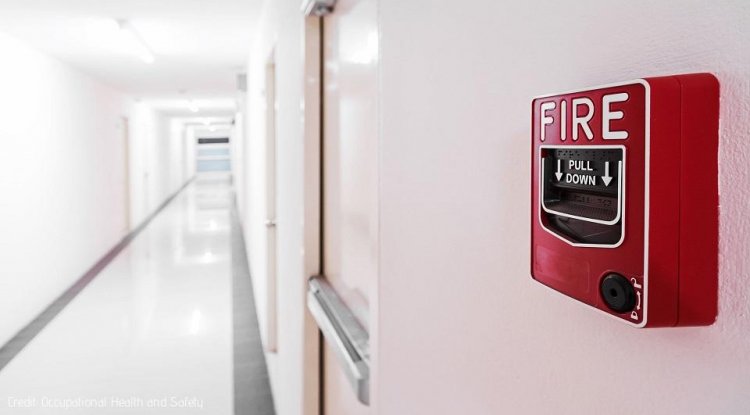
\r\nAlthough manual pull stations provide an added layer of protection for any building facility, integrated pull alarms can take it further. Imagine integrating with other security systems, such as CCTV; as soon as the pull station is activated, the event can also be recorded.
\r\nVoice evacuation, a critical component of a public address system, provides clear yet compelling commands that quickly guide people to safety. For increased safety and security, voice evacuation/public address systems can be integrated with fire detection systems; when a fire alarm sounds, an emergency announcement can be made simultaneously.
\r\n", "showContent": "1", "pageDesc": "The field of fire detection has advanced to where smoke detectors and alarm devices have combined to become life-safety systems.", "dateCreated": "Jan 7, 2019 11:48 AM", "date_modified": "2024-10-27 23:12:54", "author": "Administrator", "postParent": "582", "isParent": "0", "pageImage": "uploads/images/202011/image_750x_5faa53c719d77.jpg", "showImage": "1", "imgThumbnail": "uploads/images/202011/image_750x415_5faa53c726f76.jpg", "medium_thumbnail": null, "small_thumbnail": "uploads/images/202011/image_100x75_5faa53c732815.jpg", "xs_thumbnail": null, "active": "1", "showOnNav": null, "pageType": "Blog", "carouselID": null, "template": "2", "icon": null, "featuredPage": "0", "slideImage": null, "slide_image_small": null, "webp_slide_image": null, "webp_slide_image_sm": null, "slideTitle": null, "slideCaption": null, "showCaption": "1", "hasComments": "0", "font_icon": null, "footer_link": "0", "page_video": null, "header_image": null, "menuImage": null, "youtube_playlist": null, "slider_title_color": null, "slider_caption_color": null, "caption_position": null, "slide_overlay": "0", "page_intro": null, "short_intro": null, "cta_text": null, "cta_url": null, "menu_title": null, "section_title": null, "embedded_page": "0", "resource_page": "0", "show_header": "1", "require_subscription": "0", "show_menu_title": "1", "image_url": "", "featured": null, "banner": null, "color": null, "date_created": "Jan 7, 2019", "parentSlug": null, "grandparentSlug": null, "url": "osh/fire-detection-and-control-technologies-can-help-reduce-injury-and-damage", "parentTitle": "OSH", "title": "Fire Detection and Control Technologies can help reduce Injury and Damage" }, { "pageID": null, "pageTitle": "Agricultural Sector in Developing Countries Not Adequately Covered in OSH Laws", "pageSlug": "agricultural-sector-in-developing-countries-not-adequately-covered-in-osh-laws", "headline": null, "isRoot": "1", "pageCont": "A recent study on the status of and the Future of Occupational Safety and Health (OSH) legislation in low- and middle-income countries found that although the agricultural sector employs more than 70% of the population, most of the reviewed countries lack OSH legislation on the sector. Existing OSH laws were also found to be gender insensitive, fragmented among various government departments, insufficient, outdated, and non-deterrent to perpetrators and lack incentives for compliance.
\r\nThe study published in the December 2018 issue of Safety and Health at Work involved a review of OSH laws in 10 countries namely Botswana, Ghana, India, Kenya, Malawi, South Africa, Tanzania, Uganda, Zambia, and Zimbabwe. The laws were subjected to uniform review criteria which constituted elements of legislative content such as scope, occupational health surveillance, worker compensation, gender sensitivity, and administrative nature, for example, structure, fragmentation, enforcement, contradictions, operationalization, and continuous improvement.
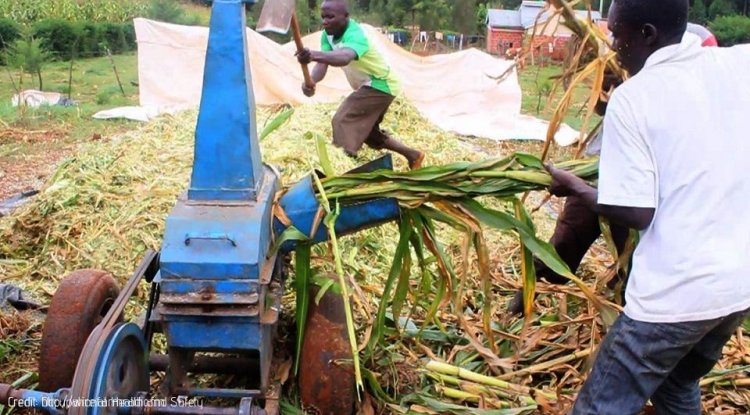
\r\nDepressingly, despite employing a huge workforce and experiencing such high injury frequency rates, very few Acts addressing OSH concerns of agricultural workers, and the few concerned Acts narrowly considered mainly chemical hazards with little or no reference to other hazards, such as, dust, vibrations, and noise from, for instance, powered farming equipment such as tractors, mowers, and chain and hand saws and mowers.
\r\nThe study also noted that only 5-10% of workers in developing countries have access to adequate OSH services compared to 20-50% of workers in developed countries. In some countries such as Tanzania, the study found that less than 5% of the workforce has access to OSH services.
\r\nThe heavy emphasis on fines and penalties and lack of specified incentives to those who comply was noted in most of the OSH laws reviewed. The fines varied from country to country but are mainly of relatively small value. It was also observed that the OSH laws are not self-sustaining since fines collected from those who break the laws are combined with other state funds without any specific requirement that exists for their use in OSH issues.
\r\nThe study recommends reform in the legal frameworks and harmonization of OSH laws for the collective benefit to employees, employers, and regulatory authorities as well as new OSH legislation for the agricultural sector.
\r\nClick here to read the complete Study Report.
\r\n", "showContent": "1", "pageDesc": "Existing OSH laws are gender insensitive, fragmented among various government departments, insufficient, outdated, and lack incentives for compliance.", "dateCreated": "Jan 2, 2019 11:42 AM", "date_modified": "2024-10-27 23:12:54", "author": "Administrator", "postParent": "582", "isParent": "0", "pageImage": "uploads/images/202011/image_750x_5faa523eb78d8.jpg", "showImage": "1", "imgThumbnail": "uploads/images/202011/image_750x415_5faa523ec592e.jpg", "medium_thumbnail": null, "small_thumbnail": "uploads/images/202011/image_100x75_5faa523ed1512.jpg", "xs_thumbnail": null, "active": "1", "showOnNav": null, "pageType": "Blog", "carouselID": null, "template": "2", "icon": null, "featuredPage": "0", "slideImage": null, "slide_image_small": null, "webp_slide_image": null, "webp_slide_image_sm": null, "slideTitle": null, "slideCaption": null, "showCaption": "1", "hasComments": "0", "font_icon": null, "footer_link": "0", "page_video": null, "header_image": null, "menuImage": null, "youtube_playlist": null, "slider_title_color": null, "slider_caption_color": null, "caption_position": null, "slide_overlay": "0", "page_intro": null, "short_intro": null, "cta_text": null, "cta_url": null, "menu_title": null, "section_title": null, "embedded_page": "0", "resource_page": "0", "show_header": "1", "require_subscription": "0", "show_menu_title": "1", "image_url": "", "featured": null, "banner": null, "color": null, "date_created": "Jan 2, 2019", "parentSlug": null, "grandparentSlug": null, "url": "osh/agricultural-sector-in-developing-countries-not-adequately-covered-in-osh-laws", "parentTitle": "OSH", "title": "Agricultural Sector in Developing Countries Not Adequately Covered in OSH Laws" }, { "pageID": null, "pageTitle": "MESSAGE FROM DIRECTORATE OF OCCUPATIONAL SAFETY AND HEALTH - OSH CONFERENCE 2018", "pageSlug": "message-from-directorate-of-occupational-safety-and-health-osh-conference-2018", "headline": null, "isRoot": "1", "pageCont": "The OSH Conference 2018 will take place in Mombasa, Kenya on 23-24 November. The conference continues to gather support from institutions and individuals involved in Occupational Safety and health in the region. See below message from the Director, DOSHS Kenya.
\r\n\"We are glad to inform the relevant interested parties and stakeholders that:
\r\nOSH Pro Services has complete responsibility for running and managing the conference in its entirety and DOSHS will not participate in any other way other than as stated above.
\r\nPlease refer any eventual questions, inquiries regarding registration, participation, award of certificates of attendance for participants or any other relevant issues related to the conference to the organizers addressed to The Administrator, OSH Pro Services, at admin@oshproservices.org or P.O Box 98919-80100, Mombasa, Kenya.
\r\nAndrew Muruka, For Director, DOSHS\"
\r\nRegistration is ongoing. Click Here to book your spot. Indicate HSEOSHPRO2018 in the remarks and you stand to win goodies including a refund of the registration costs in a draw to be held during the conference.
\r\n", "showContent": "1", "pageDesc": "DOSHS will actively take part in the conference, and will contribute with key presentations and DOSHS delegate will actively participate in the discussions.", "dateCreated": "Oct 17, 2018 10:26 AM", "date_modified": "2024-10-27 23:12:54", "author": "Administrator", "postParent": "582", "isParent": "0", "pageImage": "uploads/images/202011/image_750x_5faa407aedd49.jpg", "showImage": "1", "imgThumbnail": "uploads/images/202011/image_750x415_5faa407b07ab1.jpg", "medium_thumbnail": null, "small_thumbnail": "uploads/images/202011/image_100x75_5faa407b12dff.jpg", "xs_thumbnail": null, "active": "1", "showOnNav": null, "pageType": "Blog", "carouselID": null, "template": "2", "icon": null, "featuredPage": "0", "slideImage": null, "slide_image_small": null, "webp_slide_image": null, "webp_slide_image_sm": null, "slideTitle": null, "slideCaption": null, "showCaption": "1", "hasComments": "0", "font_icon": null, "footer_link": "0", "page_video": null, "header_image": null, "menuImage": null, "youtube_playlist": null, "slider_title_color": null, "slider_caption_color": null, "caption_position": null, "slide_overlay": "0", "page_intro": null, "short_intro": null, "cta_text": null, "cta_url": null, "menu_title": null, "section_title": null, "embedded_page": "0", "resource_page": "0", "show_header": "1", "require_subscription": "0", "show_menu_title": "1", "image_url": "", "featured": null, "banner": null, "color": null, "date_created": "Oct 17, 2018", "parentSlug": null, "grandparentSlug": null, "url": "osh/message-from-directorate-of-occupational-safety-and-health-osh-conference-2018", "parentTitle": "OSH", "title": "MESSAGE FROM DIRECTORATE OF OCCUPATIONAL SAFETY AND HEALTH - OSH CONFERENCE 2018" } ]